Stormwater management concerns the control of water (from rain, melting ice or snow) that runs off the surface of the land. The amount and rate of runoff is increased considerably as land is developed; construction of impervious surface (e.g. parking lots) hinders the infiltration of rainfall into the soil. Therefore stormwater management is imperative to offset the possible impacts of development, flooding and erosion problems, concentration of flow on neighboring properties, damages to infrastructure, and non-point source pollution (i.e. pollution that comes from general drainage of the land such as runoff from parking lots and farmland).
The National Pollutant Discharge Elimination System (NPDES) Phase II stormwater program requires that Municipal Separate Storm Sewer Systems (MS4s) address the six required elements contained in the federal regulations to reduce water pollution:
Construction Site Runoff Control
Illicit Discharge Detection and Elimination
Post-construction Stormwater Management in New Development and Redevelopment
Public Education and Outreach
Public Participation and Involvement
Stormwater & Storm Drains
Stormwater is water from precipitation that flows across the ground and pavement when it rains or when snow and ice melt. The water seeps into the ground or drains into what we call storm sewers. These are the drains you see at street corners or at low points on the sides of streets. Collectively, the draining water is called stormwater runoff. Stormwater becomes a problem when it picks up debris, chemicals, dirt and other pollutants as it flows or when it causes flooding and erosion of streambanks. Stormwater travels through a system of pipes and roadside ditches that make up storm sewer systems. It eventually flows directly to a lake, river, stream, wetland or coastal water. All of the pollutants stormwater carries along the way empty into our waters, too, because stormwater does not get treated.
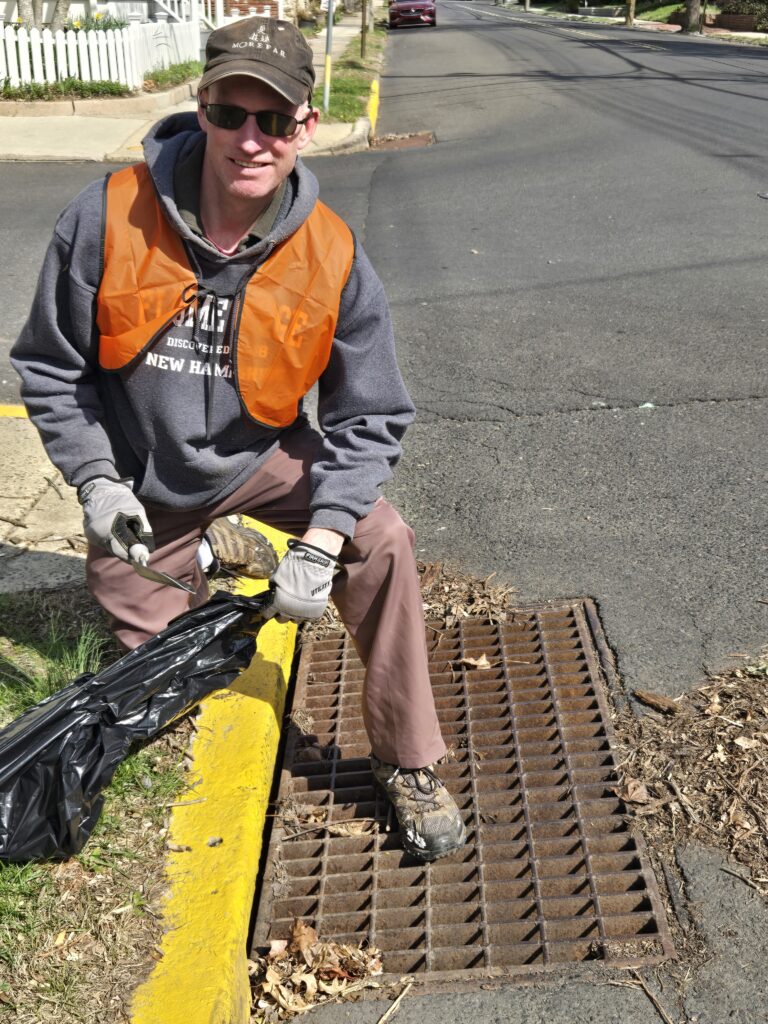
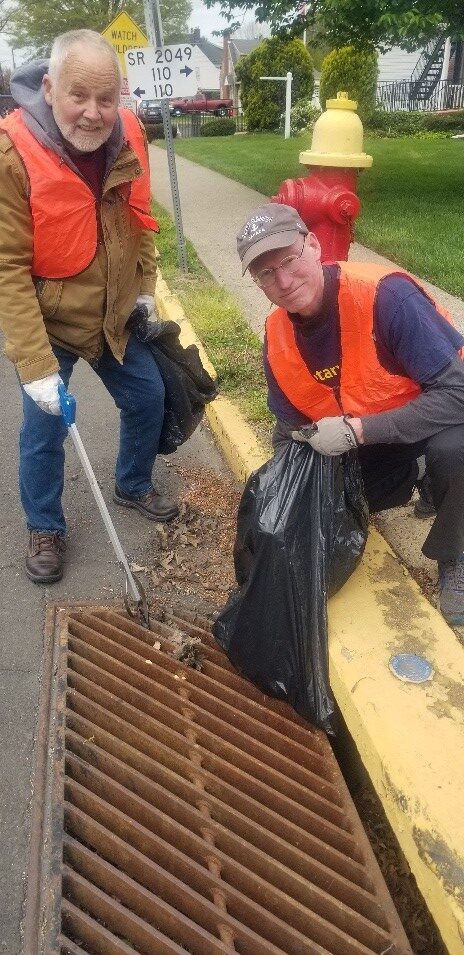
Borough residents can adopt the storm drain near their home by volunteering to clean it of debris as often as possible. To adopt your storm drain, notify the Borough office or Environmental Advisory Committee at manager@langhorneborough.com or oksoap@comcast.net.
Water Quality Hotlines:
Residents can help report violations or problems they notice in their neighborhood and local streams before they cause more damage and pollution. Residents sometimes may be the first to recognize “illicit” discharges dumping into storm sewers or coming out of from storm sewer outfalls. You can help by promptly reporting the following events to the authorities listed below.
Here are some of the conditions that you should report and who to contact:
| Violation | Who to Contact |
|---|---|
| Sediment leaving a construction site in stormwater | Bucks County Conservation District |
| Observed pollution event or pollutants in stream | Pennsylvania Department of Environmental Protection |
| Spills | Pennsylvania Department of Environmental Protection spills hotline |
| Illegal dumping activity into water courses | Langhorne Borough (215-757-3768); Pennsylvania Department of Environmental Protection |
| DEP Water Quality Hotlines | 484-250-5900 and 1-800-541-2050 (toll free). Anytime, including evenings and weekends |
| Off-site discharge of sediment, erosion, and other improper controls during construction | Bucks County Conservation District (215-345-7577), mail photo and send full address and directions |
| Clogged or leaking sanitary sewer lines; sewage smell in creek | Bucks County Water and Sewer Authority (215-343-2538), After hours, call 911 |
| Fish kills, illegal fishing | Bucks County Water and Sewer Authority (215-343-2538), after PA Fish Commission (717-626-0228). Also call DEP Water Quality Hotline |
| Dry weather outfall flows (discharges to stream from outfall pipes after 72 hours of no rain) | Langhorne Borough (215-757-3768) |
| Broken water mains | Bucks County Water and Sewer Authority (215-343-2538), 24 hour |
Educational Shows:
The Weather Channel produced “After the Storm,” a documentary about the effects of polluted stormwater runoff on rivers, lakes and coastal waters. The program also demonstrates simple things citizens can do to help protect their local watersheds.
Educational Materials For Homeowners and Residents:
After the Storm
Make Your Home the Solution To Stormwater Pollution
Water-Efficient Landscaping
What Happens After the Flush
When It Rains It Drains
Where Does All the Dirty Water Go
Stormwater Basic Information
Educational Materials For Businesses:
Stormwater Basic Information
EPA Stormwater Outreach Materials
When It Rains It Drains
After the Storm
Educational Materials For Builders and Developers:
EPA Stormwater Outreach Materials
When It Rains It Drains
Don’t Let Stormwater Run Off With Your Money
Permit Coverage for Construction Activities
Stormwater and The Construction Industry
Additional Links:
Environmental Protection Agency
Bucks County Conservation District
Reference for our community waste pick up: Leck Reference Guide
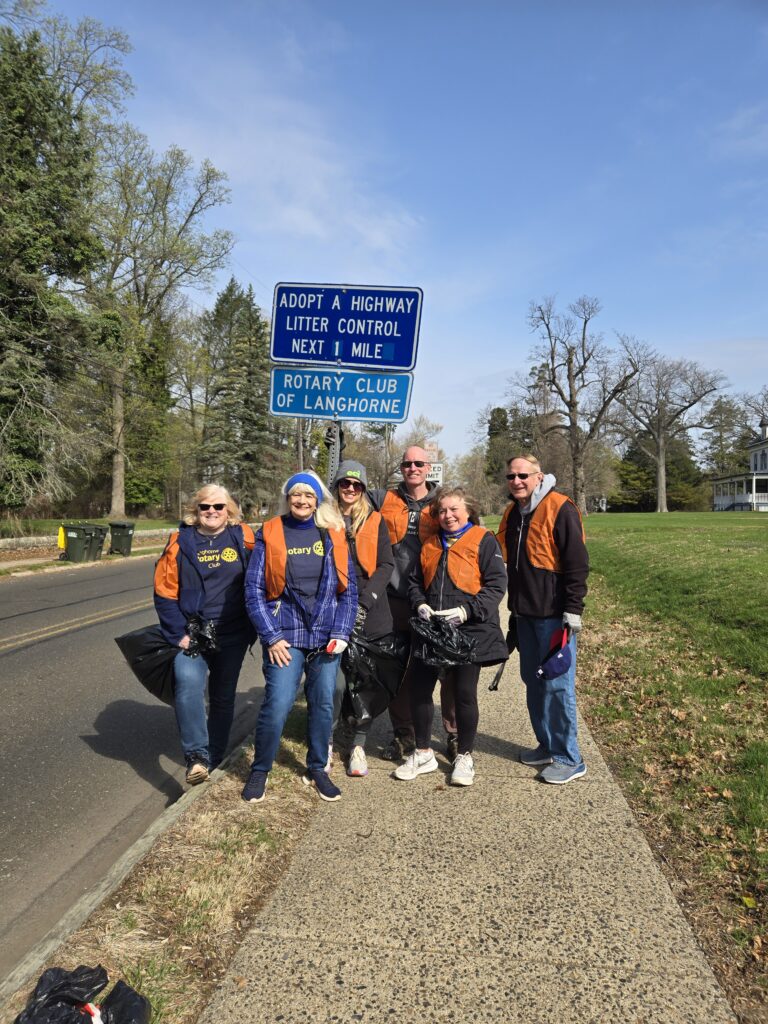
Langhorne Rotary Club Adopt-A-Highway and Storm Drain Cleanup
Thank you to the Langhorne Rotary Club for their biannual Adopt-A-Highway and Storm Drain Cleanup! This cleanup takes place from Bellevue Avenue up to Langhorne-Yardley Road, spanning Langhorne Borough, Middletown Township, and Langhorne Manor Borough. Rotary club members, Borough residents, and members of our Environmental Advisory Committee generously volunteer their time to clean the storm drains on our roads, beautifying the Borough and maintaining the good condition of our stormwater facilities.